






In a world full of uncertainties, one thing is clear: the digital landscape doesn’t tolerate silos. Now more than ever, to truly raise the bar in digital transformation, organisations must move beyond siloed thinking. A high-impact digital transformation requires a system-wide perspective and shared accountability. And while technology plays a key role, the real challenge lies in changing organisational culture.
Over time, data silos have become the symbol of a company slowing itself down. When content, assets and data remain locked within isolated teams, unable to flow freely across the organisation, processes suffer, data loses reliability, and brand reputation can take a hit. In a business landscape driven by big data, omnichannel strategies and increasing content complexity, managing the full content lifecycle is no longer optional. It’s a strategic necessity. So how can companies break down data silos and what do they stand to gain by embracing a centralised, systemic approach to content and product information management?
What are data silos - and why do they still exist?
Data silos refer to sets of information that are stored and managed separately, typically within distinct systems, platforms or departments. For this reason, they’re often inaccessible to the broader organisation, limited instead to specific departments, teams or even individuals. This is a common reality in large organisations, where every department tends to rely on its own stack: spreadsheets, vertical software, file folders, closed platforms. And when there’s no integration between tools or teams, complexity quickly turns into operational chaos.
These silos aren’t always born from poor decisions. In many cases, they originate from legitimate needs: the desire for operational autonomy, the pressure to move quickly, or legacy workflows tied to vertical structures. Over time, however, as data volumes grow, these disconnected systems become serious barriers to efficiency; preventing companies from fully leveraging their data to generate insights and make better decisions. Breaking down data silos and creating a unified environment, on the other hand, is the first step toward building a truly data-driven culture that values transparency, cross-functional collaboration and shared access to content and product information across the entire product’s lifecycle. The result is a more coherent, scalable and intelligent content ecosystem.
Why data silos are a systemic issue
In any modern organisation, data silos do more than limit communication. They threaten the foundation of business strategy. Their impact is structural. Here are the most common risks:
- Data inconsistency: the same content is created or updated by different teams, at different times, with conflicting results.
- Lack of coherence: product descriptions, images and technical data vary across channels and regions.
- Difficulty making data-informed decisions: fragmentation prevents a unified view, meaning choices are often made without truly relying on data.
- Wasted time and resources: teams spend hours searching for files, checking versions, or manually validating updates.
- Workflow automation becomes impossible: data fragmentation makes it hard to scale processes efficiently.
Beyond these inefficiencies, data silos also limit an organisation’s ability to adopt advanced data management strategies or implement AI-powered services. This becomes especially critical in industries where rich product and visual content are at the heart of the customer experience. In this context, adopting a systemic approach, one that treats content operations as an interconnected network, is key. That’s precisely what Hyphen Group calls the Digital Content Factory: a strategic model that synchronises people, processes and technologies across the entire content lifecycle. With this kind of orchestration in place, brands can integrate AI where it truly adds value, delivering the right insights, in the right context, at exactly the right moment.
Read also
From design to archive: every stage generates content
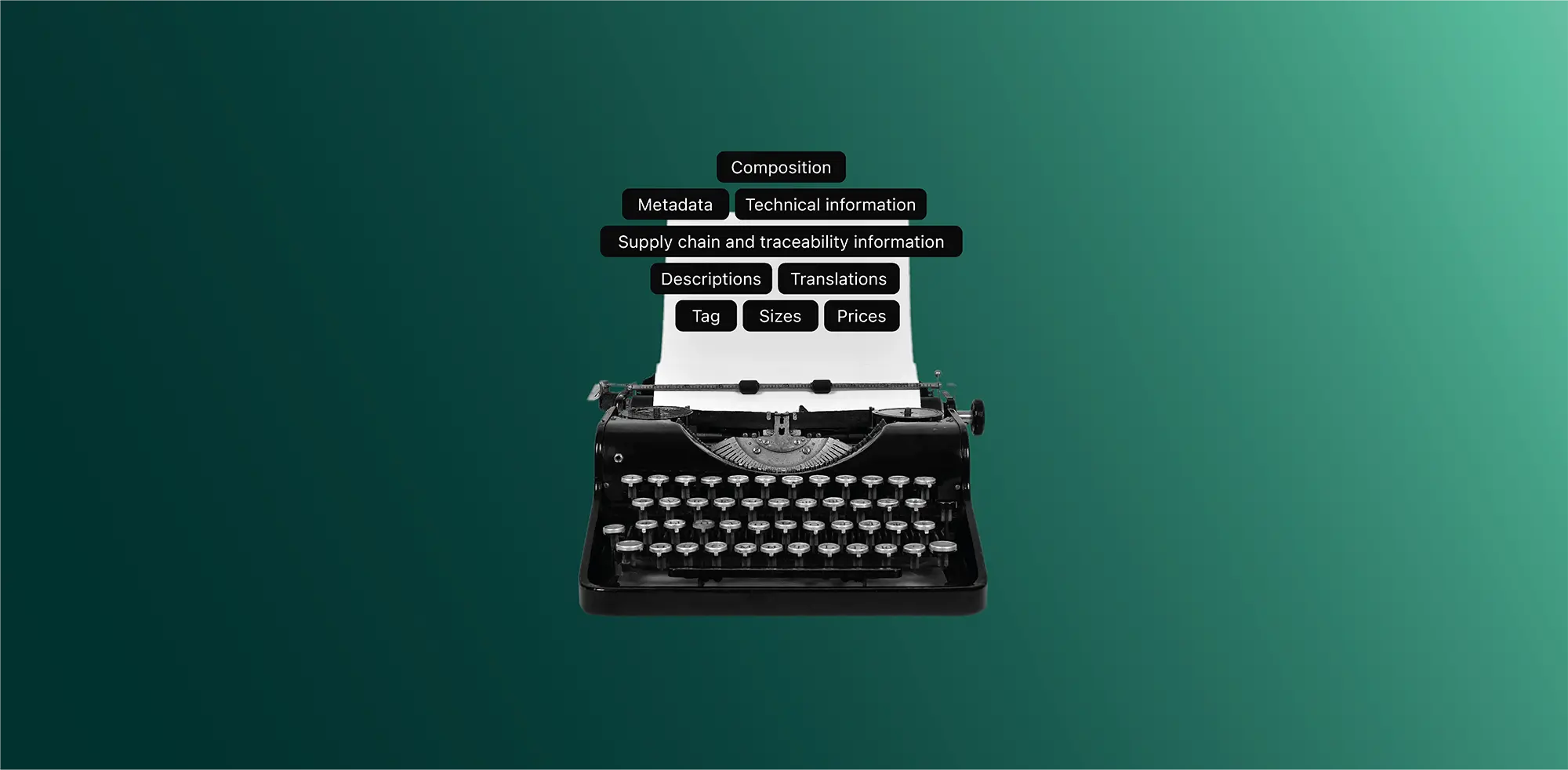
No matter the industry, every product follows a structured lifecycle. It starts with a creative concept, moves into prototyping and development, enters commercial campaigns through B2B channels, becomes the focus of marketing and communication efforts, and eventually lands in the hands of the end consumer. At each of these stages, specific content is produced: sketches, 3D renders, prototype imagery, technical specs, commercial data, metadata, descriptions, and translations.
If this content remains confined to individual departments, a domino effect occurs: assets are duplicated, production costs increase, content coherence is lost, time-to-market slows, and brand consistency suffers. In some cases, content production becomes exponentially more expensive and significantly less effective. This is a major risk in an era where content is no longer just support material, but a core business asset. It’s the raw material for every interaction between brand and customer, both online and offline.
This is where Hyphen Group’s approach becomes essential: aligning and orchestrating all content flows across the organisation. The goal isn’t simply to “share files,” but to build an intelligent infrastructure that connects creative, technical and commercial workflows into one integrated strategy. By bridging design with delivery, vision with execution, organisations can finally implement a truly integrated content strategy without silos and without friction.

How to dismantle data silos
Tearing down data silos isn’t an overnight job. It requires a clear vision and long-term commitment. Digital transformation, after all, is a marathon, not a sprint. The changes that matter most are the ones that unfold steadily over time, rooted in discipline, collaboration and leadership. It’s a daily effort that involves the entire organisation, even during those moments when it feels like nothing is moving forward.
One of the most effective technical strategies is adopting centralised data architectures for data management. Whether through structured systems like data warehouses or more flexible repositories like data lakes, these solutions bring disparate data sources together into a single, accessible environment. Rather than scattered silos, you create a unified space where content can be queried, enriched, validated and reused across teams and channels.
Another key move is to connect existing databases and tools into a collaborative, interoperable infrastructure. A platform that fosters collaboration between teams and supports shared management of content. This is where cloud-based platforms come into play, enabling real-time access, scalability and seamless sharing between departments. The goal is to create a system that promotes collaboration by design, not by exception.
Each organisation will need to define the setup that best fits its size, structure and industry. But the principle remains the same: move from a fragmented, reactive system to a data-driven architecture designed to maximise content value. That’s the real path to consistency, agility and growth.
Overcoming silos: a cultural shift
Technology alone won’t eliminate data silos. The real challenge lies in organisational culture and operational mindset. To create a truly integrated content ecosystem, companies must recognise content not as a departmental deliverable, but as a shared strategic asset.
This shift begins with people and processes. Companies need to foster transparency, assign clear ownership roles and encourage cross-team collaboration from the start. Every department should see the others not as “internal clients” but as co-creators in the product content journey. Adopting this mindset takes time, but the results are transformative. It moves the company from a siloed organisation to a content-centric enterprise; one that grows through integration, scales with consistency, and competes with agility.
Digital Content Factory: Hyphen Group’s model for breaking down data silos
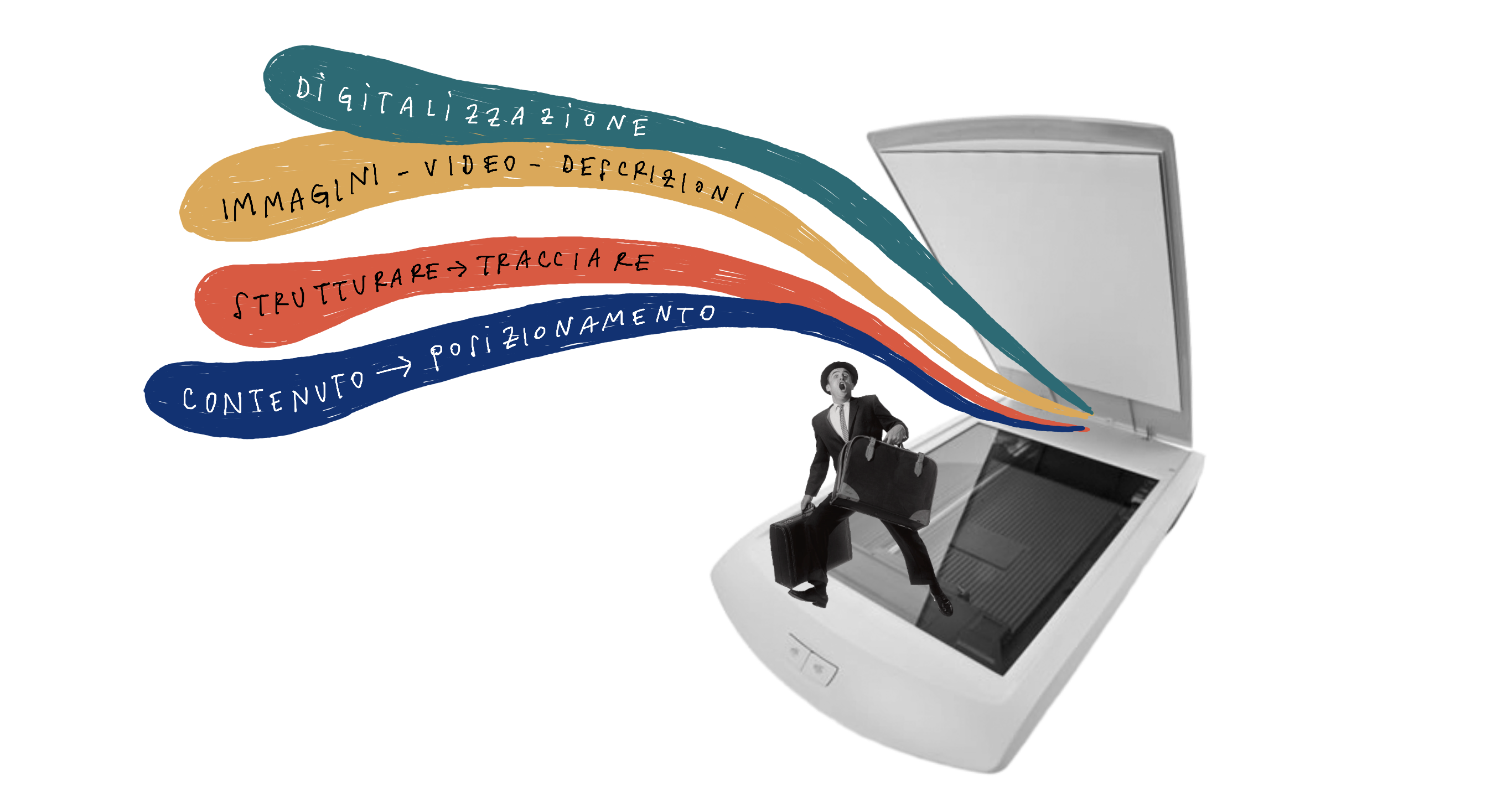
In this context, the Digital Content Factory is Hyphen Group’s concrete answer to a challenge faced by every modern brand: managing and distributing product content in a unified, integrated way throughout the entire lifecycle. From the initial design phase to product development, each asset (image, description, metadata, spec sheet) is progressively enriched, updated and validated. Once ready, those assets flow smoothly across departments and channels, eventually reaching long-term archives or being repurposed for future use in new collections.
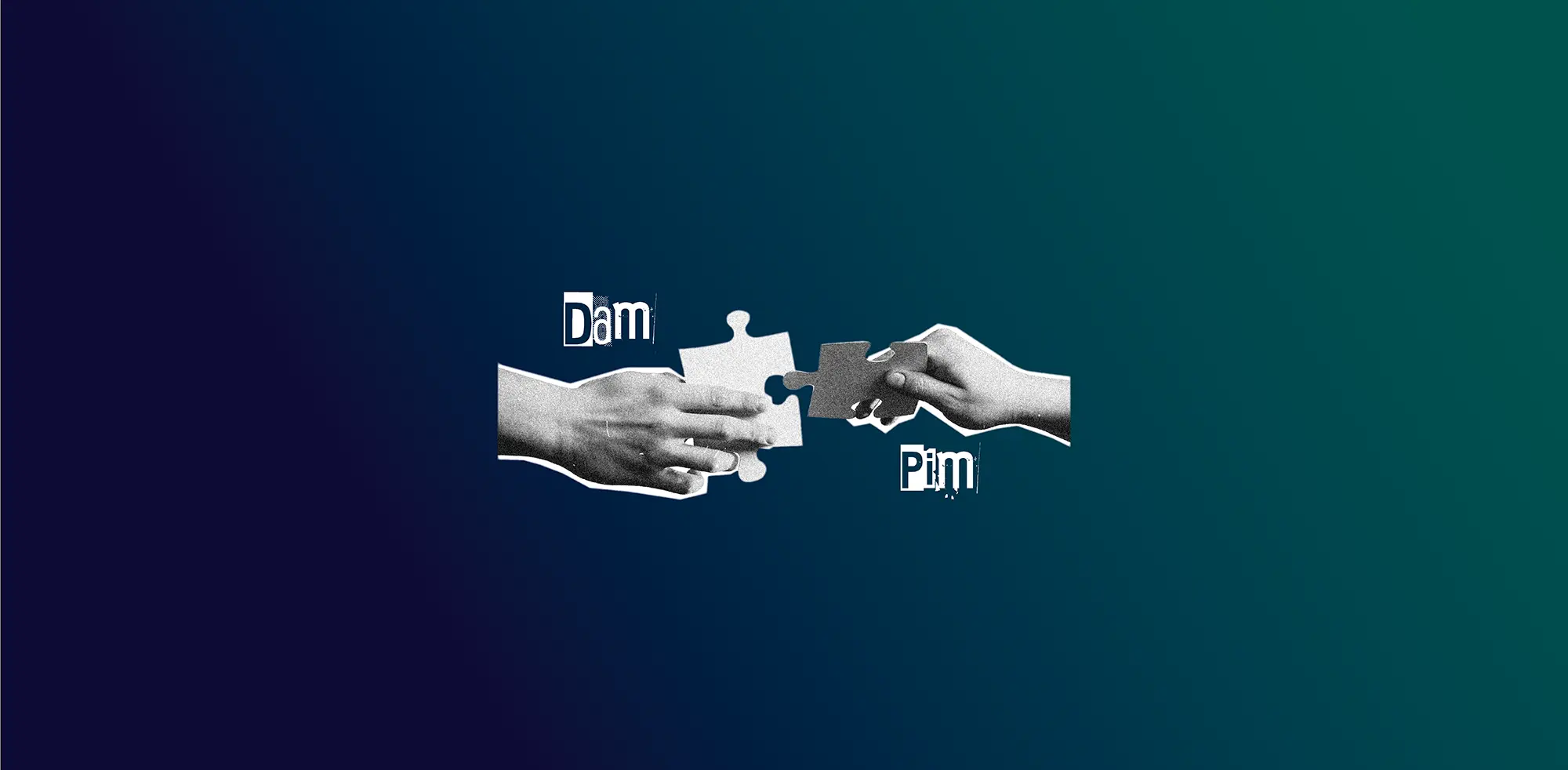
This orchestration happens within Chalco, Hyphen’s centralised suite that combines DAM, PIM and workflow management into one single, flexible platform. Chalco scales easily to meet the needs of businesses of all sizes, while integrating natively with internal systems and third-party tools such as ERP, PLM, CRM and more. The goal? A seamless and efficient management of both content and product information throughout every stage of the lifecycle. By implementing this model, companies can:
- establish a single source of truth for all product and brand content;
- optimise content production by eliminating duplicated workflows and redundant assets;
- reduce time-to-market through automation and simplified processes;
- maximise the return on investment (ROI) from producing and distributing digital content;
- align all customer touchpoints with consistent content across e-commerce, social, and physical retail;
- improve data quality with tracked, versioned and accessible assets.
This approach isn’t just about speed, it’s about consistency, resilience, and control. With the Digital Content Factory, brands can finally break free from siloed thinking and build a content ecosystem that’s as scalable as it is smart.
The concrete benefits of a data-silo-free ecosystem
Moving away from data silos is a strategic choice, not just a technical exercise in style. In this sense, adopting an integrated system means transforming the way work is done, generating tangible benefits across all business functions, with positive effects on productivity, branding, and overall competitiveness.
After all, when content flows, business moves faster too. In other words, overcoming data silos means unlocking ideas, making the most of available resources, and building a sustainable competitive advantage.